About US
Our Mission
At VerdantFlow Tech, we’re on a mission to make sustainable technology genuinely practical. We design green energy and smart systems that help address drought, strengthen agriculture, improve indoor climate, and transform energy efficiency with solutions built to adapt to remote locations and challenging tropical conditions.
Why This Matters
Climate change, water scarcity, and rising food demands are putting real pressure on communities and industries alike. We believe smart irrigation is one of the most promising answers. By combining advanced sensors, data analytics, and automation, these systems help optimize water use, support healthier crops, and reduce environmental impact paving the way toward a more sustainable future.
Similarly, smart indoor climate ventilation uses sensors, automation, and connectivity to monitor and control air quality, temperature, humidity, and airflow in real time. Unlike traditional systems that run on fixed schedules or manual adjustments, smart ventilation adapts dynamically to the needs of the space and the people in it. These systems can also integrate with smart home ecosystems, so users can monitor and control their indoor climate remotely via smartphone, tablet, or voice assistants like Amazon Alexa or Google Assistant.
The Challenge: Water Scarcity and Inefficient Irrigation
Agriculture accounts for nearly 70% of global freshwater withdrawals, yet traditional irrigation methods are often inefficient and lead to significant water waste. Over-irrigation can cause soil degradation, nutrient leaching, and higher energy consumption, while under-irrigation stresses crops and reduces yields. As climate change worsens droughts and disrupts rainfall patterns, smarter water management has become essential.
Smart and Solar Air Conditioning and Ventilation
Revolutionizing Energy Efficiency in Climate Control
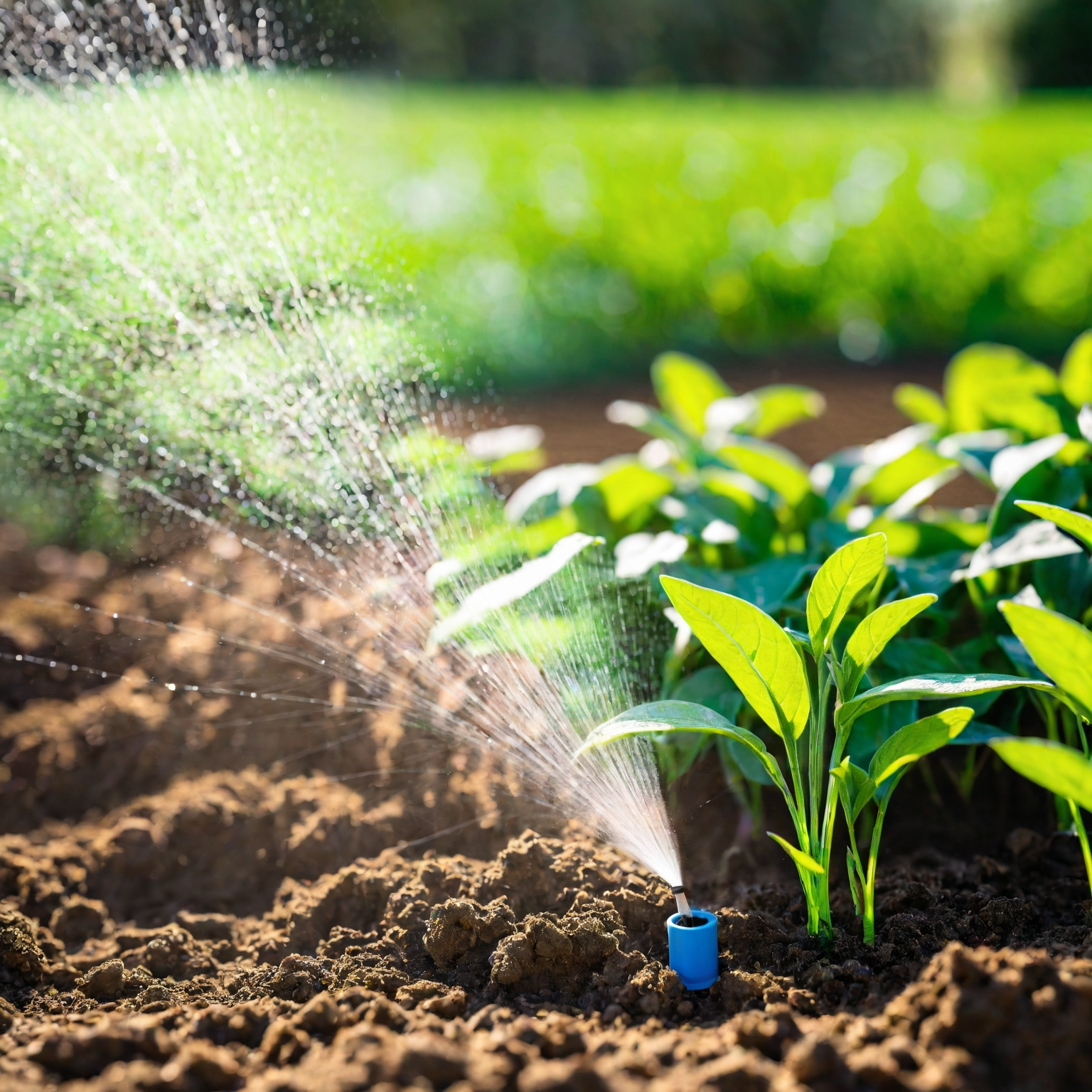
Smart irrigation systems draw on IoT sensors, weather data, and machine learning to deliver the right amount of water at the right time supporting optimal plant health while conserving resources.
Growing demand for energy-efficient, sustainable building climate control has also driven the development of smart solar air conditioning and ventilation systems. These systems combine advanced solar energy harvesting with intelligent control to optimize energy consumption, reduce carbon footprints, and enhance indoor comfort. Below, we explore the principles, components, and benefits of these systems and their potential to transform the HVAC industry.
Benefits of Smart Irrigation and Smart Ventilation
Smart Irrigation
- Water Conservation: Smart irrigation can save up to 50% of water compared with traditional methods.
- Increased Crop Yields: Precise watering gives crops the ideal amount of moisture, supporting healthier plants and higher yields year-round if desired.
- Energy Savings: Efficient water use reduces the energy needed for pumping and distribution, lowering carbon footprints. Most of our systems are designed for low power consumption, so solar energy is often sufficient.
- Cost Efficiency: Farmers save on water and energy bills, making agriculture more economically sustainable.
- Environmental Protection: By minimizing runoff and leaching, smart irrigation helps protect local ecosystems and water quality.
Smart Ventilation Systems
- Real-Time Air Quality Monitoring: Sensors detect pollutants such as CO2, and particulate matter. When air quality declines, the system automatically adjusts ventilation to bring in fresh air and expel contaminants.
- Automated Humidity Control: Excess humidity can lead to mold and discomfort, while low humidity can cause dry skin and respiratory issues. Smart systems monitor humidity and adjust ventilation or activate dehumidifiers and humidifiers as needed.
- Energy Efficiency: By optimizing airflow based on real-time data, smart ventilation reduces energy consumption. It can also integrate with heating and cooling systems for balanced temperature control and minimal waste.
- Integration with Smart Home Systems: Smart ventilation can work alongside thermostats, air purifiers, and windows to create a fully automated indoor climate ecosystem.
The Future of Smart Irrigation and Smart Ventilation
As technology evolves, the potential for smart irrigation continues to grow. Integrating renewable energy sources such as solar-powered irrigation pumps will make these systems even more sustainable. Governments, NGOs, and private companies are increasingly investing in smart irrigation, recognizing its potential to address global food and water security challenges. By adopting these green solutions, we can create a future where agriculture thrives in harmony with the environment.
Smart indoor climate ventilation is advancing too. Innovations such as AI-driven predictive analytics, self-cleaning filters, and integration with renewable energy will further enhance efficiency and usability. Growing emphasis on sustainability and health will drive adoption in both residential and commercial settings.
In short, smart indoor climate ventilation represents a meaningful step forward in how we manage indoor environments. By combining cutting-edge technology with a focus on health, comfort, and sustainability, these systems are helping pave the way to a smarter, greener, and healthier future.