
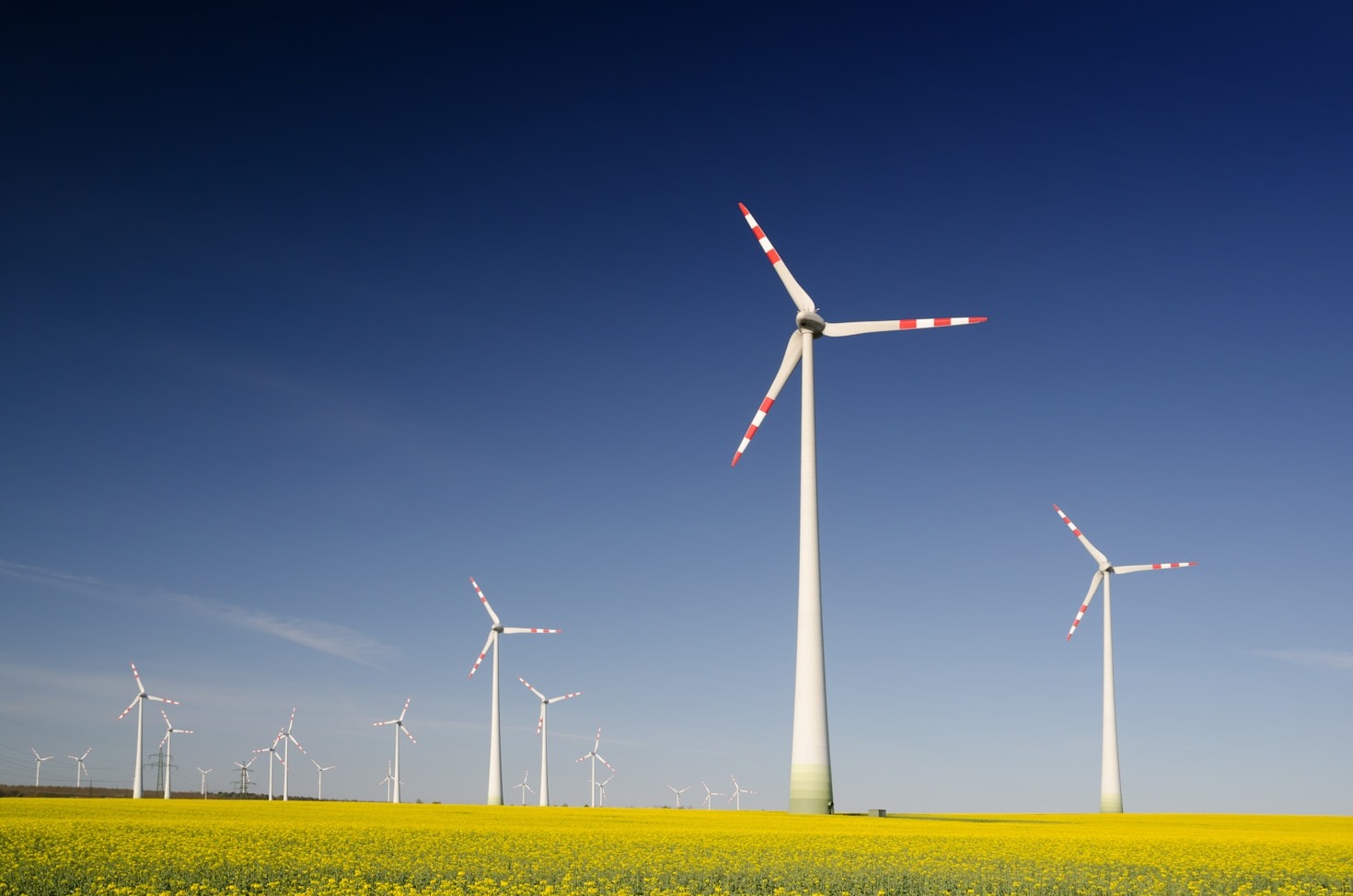
The intersection of agriculture and technology has given rise to innovative solutions that address some of the most pressing challenges in food production, sustainability, and environmental conservation. Among these advancements, the integration of green energy into agricultural practices stands out as a transformative force. Green energy, derived from renewable sources such as solar, wind, hydro, and biomass, is playing a pivotal role in making agriculture more sustainable, efficient, and resilient.
1. Reducing Carbon Footprint
Traditional agricultural practices often rely heavily on fossil fuels for machinery, irrigation, and transportation, contributing significantly to greenhouse gas emissions. By adopting green energy technologies, farmers can reduce their carbon footprint. Solar panels, wind turbines, and biogas systems can power farms with clean energy, minimizing reliance on non-renewable energy sources and lowering emissions.
2. Energy Independence and Cost Savings
Green energy technologies offer farmers the opportunity to achieve energy independence. Solar panels and wind turbines can generate electricity on-site, reducing dependence on external energy suppliers and protecting farmers from fluctuating energy prices. Over time, the initial investment in renewable energy infrastructure can lead to substantial cost savings, as the operational costs of renewable energy systems are generally lower than those of fossil fuel-based systems.
3. Sustainable Irrigation Solutions
Water management is a critical aspect of agriculture, especially in regions facing water scarcity. Solar-powered irrigation systems are becoming increasingly popular as they provide a sustainable and cost-effective solution for watering crops. These systems use solar energy to pump water, reducing the need for diesel or electric pumps and ensuring a consistent water supply even in remote areas.
4. Precision Agriculture and Smart Farming
The integration of green energy with precision agriculture technologies is revolutionizing farming practices. Sensors, drones, and IoT (Internet of Things) devices powered by renewable energy can monitor soil conditions, crop health, and weather patterns in real-time. This data-driven approach enables farmers to optimize resource use, reduce waste, and increase yields, all while minimizing environmental impact.
5. Biomass and Waste-to-Energy Solutions
Agricultural waste, such as crop residues and animal manure, can be converted into bioenergy through processes like anaerobic digestion and biomass gasification. This not only provides a renewable energy source but also helps manage waste effectively, reducing pollution and promoting a circular economy. The by-products of these processes, such as biofertilizers, can further enhance soil health and crop productivity.
6. Climate Resilience
Climate change poses significant risks to agriculture, including unpredictable weather patterns, droughts, and floods. Green energy technologies can enhance the resilience of farming systems. For instance, solar-powered desalination units can provide fresh water in arid regions, while wind-powered water pumps can ensure irrigation during dry spells. By diversifying energy sources and reducing vulnerability to climate-related disruptions, green energy helps farmers adapt to changing environmental conditions.
7. Policy and Economic Incentives
Governments and international organizations are increasingly recognizing the importance of green energy in agriculture. Policies and incentives, such as subsidies, grants, and tax credits, are being introduced to encourage the adoption of renewable energy technologies in farming. These initiatives not only support farmers in transitioning to sustainable practices but also contribute to broader environmental goals, such as reducing greenhouse gas emissions and promoting energy security.
8. Community and Social Impact
The adoption of green energy in agriculture can have positive social impacts, particularly in developing countries. Access to renewable energy can improve the livelihoods of smallholder farmers by reducing energy costs, increasing productivity, and creating new income opportunities. Additionally, decentralized renewable energy systems can bring electricity to rural areas, improving access to education, healthcare, and communication.
The integration of green energy into agriculture represents a powerful synergy between technology and tradition. By harnessing renewable energy sources, farmers can enhance sustainability, reduce environmental impact, and improve resilience to climate change. As technology continues to evolve, the role of green energy in agriculture will likely expand, offering new opportunities for innovation and growth. The future of farming lies in the harmonious blend of age-old agricultural wisdom and cutting-edge green technologies, paving the way for a more sustainable and food-secure world.
Leave a Reply