
Combating drought requires a multifaceted approach, and sustainable energy solutions can play a significant role in mitigating its impacts. Droughts are often exacerbated by climate change, which is driven by the excessive use of fossil fuels. Transitioning to sustainable energy sources can help reduce greenhouse gas emissions, slow climate change, and create more resilient water and energy systems. Here are some ways sustainable energy solutions can help combat drought:
1. Renewable Energy for Water Conservation
- Solar-Powered Irrigation Systems: Solar energy can power efficient drip irrigation systems, reducing water waste and ensuring crops receive adequate water even during droughts.
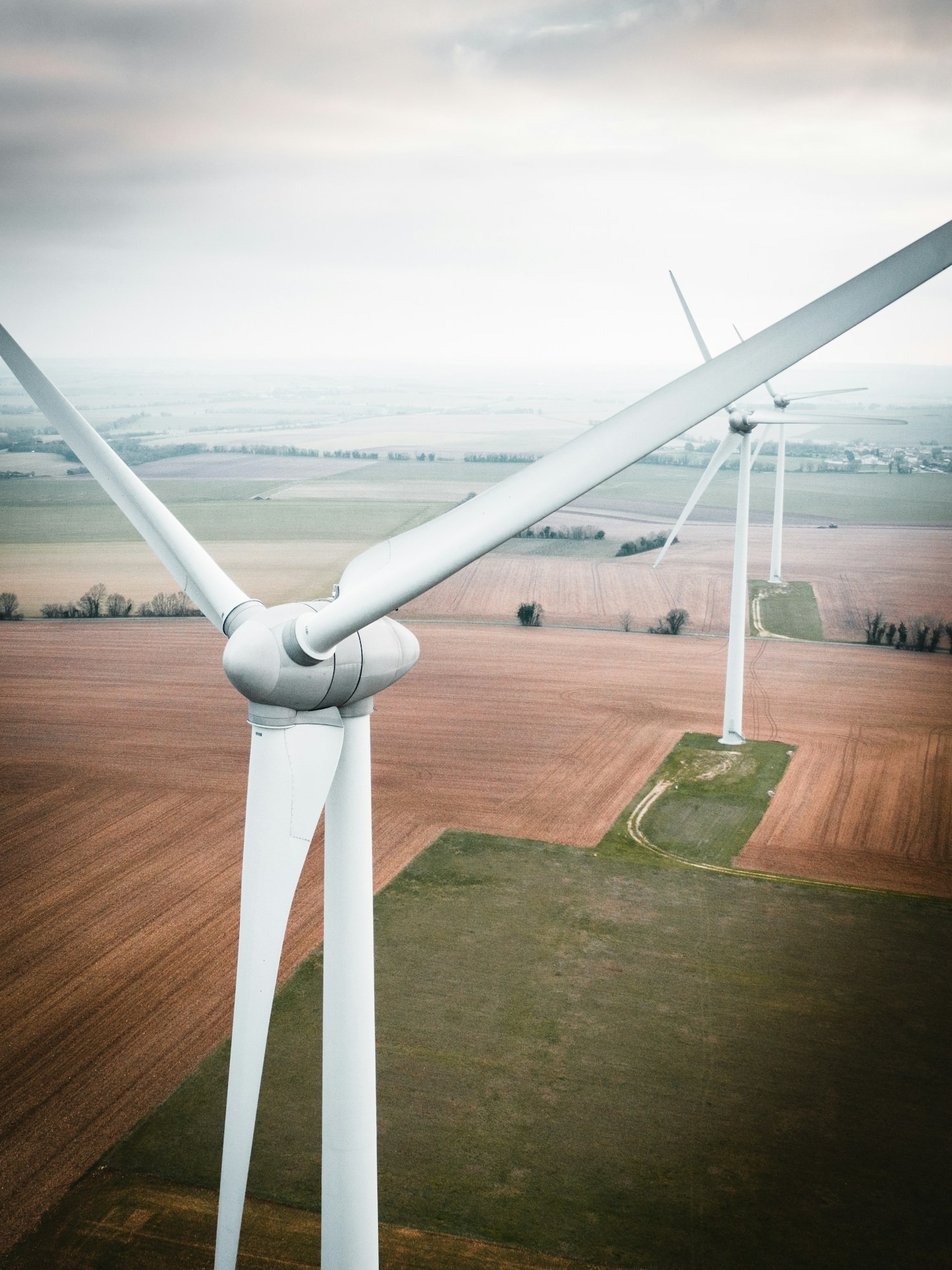
- Wind-Powered Desalination: Wind energy can be used to power desalination plants, converting seawater into freshwater for agriculture and drinking purposes.
- Hydropower Efficiency: Modernizing hydropower systems to operate efficiently with less water can help conserve water resources during dry periods.
2. Reducing Water Use in Energy Production
- Traditional energy production, such as coal and nuclear power, requires significant amounts of water for cooling. Transitioning to renewable energy sources like solar and wind, which use minimal or no water, can free up water for other critical uses during droughts.
- Dry Cooling Technologies: For energy plants that still rely on water, implementing dry cooling systems can significantly reduce water consumption.
3. Energy-Efficient Water Management
- Smart Grids and Water Systems: Integrating smart grids with water management systems can optimize energy and water use, reducing waste and ensuring efficient distribution during droughts.
- Energy-Efficient Desalination: Advances in renewable energy-powered desalination technologies can provide freshwater without the high energy and water costs associated with traditional methods.
4. Climate-Resilient Agriculture
- Solar-Powered Greenhouses: These can regulate temperature and humidity, reducing water evaporation and ensuring crop growth even in arid conditions.
- Agrivoltaics: Combining solar panels with agriculture allows for dual land use, where crops benefit from partial shade, reducing water evaporation and improving yields.
5. Reforestation and Land Restoration
- Renewable energy can power reforestation efforts, such as pumping water for tree planting in degraded areas. Restored ecosystems can improve water retention in soils, reduce erosion, and enhance local climate resilience.
6. Decentralized Energy Solutions
- Off-Grid Renewable Systems: Solar panels, wind turbines, and small-scale hydropower can provide energy to remote areas, enabling communities to access water pumps and irrigation systems without relying on centralized grids.
- Battery Storage: Storing renewable energy ensures a consistent power supply for water pumps and other critical infrastructure during droughts.
7. Policy and Investment
- Governments and organizations should invest in renewable energy projects that prioritize water conservation and drought resilience.
- Incentives for farmers and industries to adopt renewable energy and water-efficient technologies can accelerate the transition.
8. Public Awareness and Education
- Educating communities about the link between sustainable energy, water conservation, and drought resilience can encourage the adoption of renewable energy solutions and water-saving practices.
Sustainable energy solutions are not only essential for reducing greenhouse gas emissions but also for building resilience against droughts. By integrating renewable energy with water management, agriculture, and ecosystem restoration, we can create a more sustainable and drought-resistant future. Collaboration between governments, industries, and communities is key to implementing these solutions effectively.

Leave a Reply