
As the world grapples with the escalating impacts of climate change, the future of climatization—how we manage and control our indoor environments—is undergoing a significant transformation. Traditional heating, ventilation, and air conditioning (HVAC) systems, which are often energy-intensive and reliant on fossil fuels, are being reimagined to align with eco-friendly principles. Here are some key approaches shaping the future of climatization:
1. Energy-Efficient HVAC Systems
- Smart Thermostats: These devices learn user preferences and adjust temperatures automatically, optimizing energy use.
- Variable Refrigerant Flow (VRF) Systems: These systems adjust the flow of refrigerant to different zones, reducing energy consumption.
- Heat Pumps: Modern heat pumps are highly efficient and can provide both heating and cooling, often using renewable energy sources.
2. Renewable Energy Integration
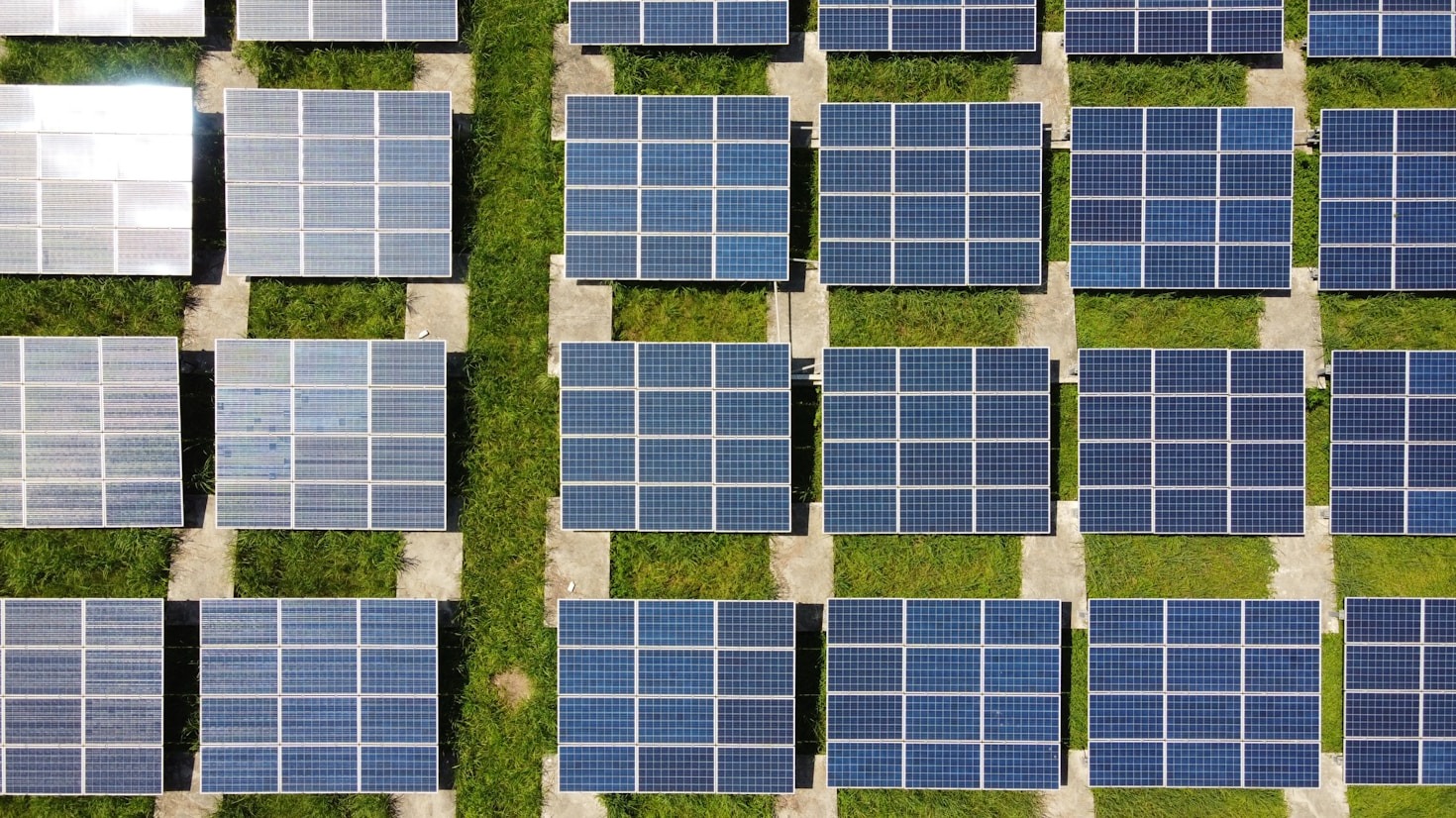
- Solar-Powered HVAC: Solar panels can be used to power HVAC systems, reducing reliance on grid electricity.
- Geothermal Systems: These systems use the stable temperature of the earth to heat and cool buildings, offering a sustainable alternative to traditional systems.
3. Passive Design Strategies
- Natural Ventilation: Designing buildings to take advantage of natural airflow can significantly reduce the need for mechanical ventilation.
- Thermal Mass: Materials like concrete and stone can absorb and store heat, helping to regulate indoor temperatures naturally.
- Green Roofs and Walls: These not only insulate buildings but also improve air quality and reduce urban heat islands.
4. Advanced Building Materials
- Phase-Change Materials (PCMs): These materials absorb and release thermal energy during phase transitions, helping to maintain comfortable indoor temperatures.
- Aerogels and Vacuum Insulation Panels (VIPs): These high-performance insulation materials can significantly reduce energy loss.
5. IoT and AI-Driven Solutions
- Predictive Maintenance: IoT sensors can predict when HVAC systems need maintenance, preventing inefficiencies and breakdowns.
- AI Optimization: Artificial intelligence can analyze data from various sensors to optimize HVAC performance in real-time, ensuring maximum efficiency.
6. Regenerative Design
- Carbon-Neutral Buildings: These buildings are designed to produce as much energy as they consume, often incorporating renewable energy sources and carbon offsetting.
- Circular Economy Principles: Using materials that can be reused or recycled at the end of their lifecycle reduces waste and environmental impact.
7. Policy and Incentives
- Building Codes and Standards: Stricter regulations and standards are pushing for more energy-efficient and sustainable building practices.
- Financial Incentives: Governments and organizations are offering grants, tax breaks, and other incentives to encourage the adoption of eco-friendly climatization technologies.
8. Community and Urban Planning
- District Heating and Cooling: Centralized systems that provide heating and cooling to multiple buildings can be more efficient and easier to integrate with renewable energy sources.
- Urban Green Spaces: Parks, green roofs, and tree-lined streets can help mitigate the urban heat island effect, reducing the need for air conditioning.
9. Consumer Awareness and Behavior
- Energy Conservation: Educating consumers about energy-saving practices can lead to more responsible use of climatization systems.
- Sustainable Choices: As awareness grows, consumers are increasingly opting for eco-friendly products and services, driving market demand for sustainable solutions.
The future of climatization lies in a holistic approach that combines advanced technology, sustainable design, and proactive policy measures. By embracing these eco-friendly approaches, we can create comfortable indoor environments while significantly reducing our carbon footprint and mitigating the impacts of climate change. The transition to sustainable climatization is not just a technological challenge but a collective responsibility that requires the involvement of governments, businesses, and individuals alike.

Leave a Reply